
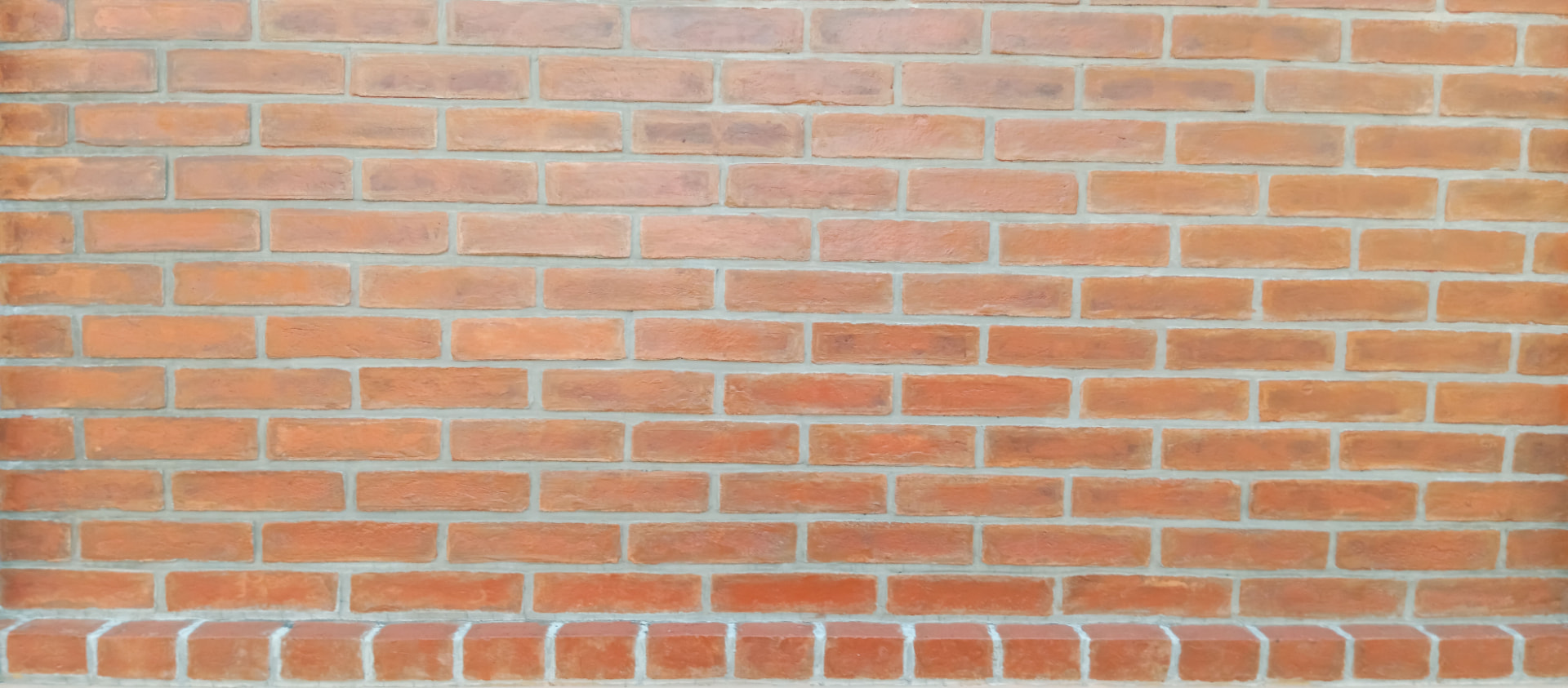
Repointingin FarnboroughFor sounder, weather-resistant brickwork
Replace failing mortar with joints suited to your brickwork, rather than covering up the cause of deterioration.
27 years in the trade · 1-year workmanship guarantee · Free quotations
27 years
in the building trade
15 years
running his own business
Checkatrade
member since January 2014
1-year guarantee
on workmanship
Free
inspections & quotations
Service overview
Repointing that starts with the wall, not the mortar bag
Mortar joints are the working part of a brick wall. They accommodate small movements and help manage moisture between the bricks. When mortar becomes loose, deeply recessed or cracked, exposed edges can admit more rain and become vulnerable to frost damage. Repointing removes defective joint material and replaces it with a compatible mortar. The aim is not simply to make every joint look new: it is to protect the masonry without making the wall less able to dry.
Restoreworks Ltd offers free inspections and quotations for repointing in Farnborough and the surrounding service area. An inspection should establish where deterioration is concentrated, whether previous repairs are compatible and whether another fault is keeping the wall wet. Leaking gutters, defective flashings and damaged brick faces need consideration alongside the joints. Repointing alone cannot reliably resolve damp caused by a different defect, and the proposed work should make those limits clear.
A sheltered section beneath an eaves overhang may need very different treatment from a rain-exposed gable or a freestanding garden wall. Older brickwork can also need a softer mortar than newer masonry. Choosing the mix, joint profile and extent of removal means looking at the existing construction rather than applying one specification everywhere. Sound original mortar does not automatically need removing just because neighbouring areas have failed.
Restoreworks is run by Robert, known as Robbie, Flanagan, who has 27 years in the building trade, including running crews for London-based companies, and 15 years running his own business. The business is based at 13 Melrose Avenue, Farnborough, GU14 9UL. Quotations follow inspection, so the proposed scope can reflect the actual condition of the wall rather than a guess based on photographs alone.
Who it's for
- Homeowners with weathered external brickwork or loose mortar joints.
- Owners of older properties needing a compatible repair approach.
- Landlords planning external maintenance between tenancies.
- Commercial property managers dealing with exposed masonry.
- Owners of garden walls with localised joint deterioration.
Signs you need it
- Mortar falls out when lightly touched or has become visibly loose.
- Joints have deep gaps rather than shallow surface weathering.
- Previous hard repairs are cracking or breaking away.
- Rain-exposed elevations remain wet around damaged joints.
- Brick edges are deteriorating beside failed mortar.
What failing joints can mean for your property
Not every mark or hairline crack calls for wholesale repointing. These patterns are reasons to investigate the wall and identify a proportionate repair.
Rain entering open joints
Missing mortar can leave direct paths for wind-driven rain, especially on exposed elevations. Moisture may spread beyond the visible opening before it appears indoors. The inspection should also check nearby gutters, window details and flashings, because closing joints will not correct water entering somewhere else.
Damage during freezing weather
Repeated wetting followed by freezing can accelerate deterioration in vulnerable masonry. Open joints may leave brick edges particularly exposed. Repointing can reduce unnecessary water entry, but bricks already breaking down may need separate attention rather than simply being surrounded with fresh mortar.
Hard mortar beside softer bricks
An overly strong or dense repair can change how an older wall handles moisture and movement. Instead of the mortar acting as the more sacrificial element, damage may develop in the bricks. Compatibility matters more than choosing the hardest material available or the neatest-looking surface finish.
Movement hidden beneath cosmetic repairs
A crack running through bricks as well as joints may indicate more than weathered mortar. Repointing over ongoing movement can hide evidence without addressing the cause. Significant, widening or recurring cracks may need specialist assessment before a reliable repair specification can be agreed.
Common mistakes to avoid
Treating all mortar as interchangeable
A convenient bagged mix is not automatically suitable for every wall. Brick strength, existing mortar, exposure and moisture behaviour all affect the choice. Ask how the proposed mortar relates to your masonry, particularly where older bricks have previously been repaired with a noticeably harder material.
Pointing over loose material
A thin cosmetic layer over dusty or crumbling joints has little dependable support. Defective material needs careful removal to a suitable sound depth, followed by cleaning and appropriate preparation. The removal method must avoid widening joints unnecessarily or cutting into the brick faces.
Choosing appearance before weathering
A joint profile affects how water leaves the wall, not just how the brickwork looks from the pavement. Very shallow patching or inappropriate projecting finishes can perform poorly. Agree a suitable finish and, where appearance matters, consider a small sample before the wider work proceeds.
How it works
Our repointing process
- 01
1. Inspect the masonry
The free inspection considers the condition of the joints, brick faces, previous repairs and surrounding details. Access requirements and the extent of affected areas are discussed. Any visible issue that may need investigation beyond ordinary repointing should be identified before the scope is settled.
- 02
2. Agree the repair specification
The quotation should set out which areas are included, the intended mortar approach and any related repairs being proposed. Colour and joint profile deserve discussion, particularly on prominent elevations. Cost depends on inspection, including access, preparation and the amount of defective material requiring removal.
- 03
3. Prepare and rake out
Defective mortar is removed using methods appropriate to the wall and joint width. Surrounding surfaces need protection, and dust and debris must be managed. Joints are cleaned so that the replacement mortar is not pressed onto loose fragments that could weaken its bond.
- 04
4. Repoint in suitable conditions
The prepared joints receive compatible mortar, properly packed rather than merely skimmed at the surface. Suction and weather conditions influence preparation and working time. Fresh work may need protection from rapid drying, heavy rain or frost while the mortar gains strength and begins curing.
- 05
5. Check and hand over
The finished areas are checked for missed gaps, loose material and consistency of finish. The handover should explain any curing precautions and remaining defects outside the agreed work. Keep the quotation and payment record alongside the details of Restoreworks' one-year workmanship guarantee.
What you get
The benefits of repointing done properly
Better resistance to driving rain
Sound, properly filled joints remove avoidable openings in the masonry surface. That helps the wall shed weather as intended, while recognising that roof details, openings and other defects may still require their own repairs.
A repair compatible with the wall
Selecting mortar around the existing masonry reduces the risk of introducing an unsuitable hard band into softer brickwork. The objective is a sensible balance of strength, moisture behaviour and durability rather than maximum hardness.
Retention of sound material
Targeted repairs can preserve joints that remain serviceable. Where broader repointing is justified, an inspection-led scope explains why. This avoids assuming that every elevation needs identical work merely to achieve a uniform sales package.
Clearer maintenance priorities
Looking at the whole wall helps distinguish mortar deterioration from overflowing gutters or other water sources. You can understand which defects need attention together and which observations require separate investigation before money is spent.
A more coherent appearance
A considered mortar colour and joint profile can reduce the patchwork effect of unsuitable earlier repairs. Exact colour matching is not always possible, especially while fresh mortar cures and the surrounding wall has years of weathering.
An agreed, inspectable scope
A quotation tied to identifiable wall areas makes the work easier to understand. You can compare the proposed preparation, access and finish rather than judging quotations solely by a headline total with little explanation.
In detail
Mortar, methods and different repointing situations
Choosing mortar for older and newer masonry
Lime-based mortars are often appropriate for older, softer masonry, but the correct formulation depends on the building rather than its age alone. Cement-containing mortars may suit some newer construction. Existing repairs can confuse the picture, so one hard patch is not proof that the original wall was built that way.
Colour comes from the binder, sand and other constituents, as well as curing conditions. Matching only the dry powder can be misleading. The repair should first work with the wall; visual compatibility then comes from a sensible selection of materials, texture and joint finish rather than a promise of an invisible repair.
Removal, joint preparation and finishing
Hand tools and controlled mechanical methods each have a place, depending on joint width, mortar hardness and the vulnerability of the brick edges. Excessively aggressive cutting can permanently alter the masonry. Removal should reach suitable sound material without treating a single nominal depth as correct for every joint.
Cleaning out dust and managing suction help the replacement mortar make proper contact. Joint profiles should suit the wall and exposure, with fresh work protected as necessary. Strong acid cleaning is not a substitute for careful workmanship and can damage some masonry, so cleaning methods need their own consideration.
Patch repairs, whole elevations and exposed walls
Localised repointing can be sensible where damage is limited and most joints remain sound. A whole elevation may be more appropriate where deterioration is widespread or previous unsuitable work extends across the face. The decision should be explained through condition, not an assumption that more work is always better.
Garden walls and exposed gables can receive rain from several directions, making coping details and the top of the wall important. Persistent saturation may continue if those details remain defective. Bulging, leaning or loose masonry needs assessment beyond a routine pointing repair, and this service does not include groundworks.
Residential and commercial planning
At a home, access arrangements may involve a driveway, side passage, garden or neighbouring boundary. Discuss pets, open windows and protection of nearby belongings before preparation begins. Elevated work may require suitable access equipment; its extent should be considered during inspection rather than assumed from street-level photographs.
Commercial premises may need a plan for entrances, pedestrian routes and work near occupied rooms. Agree working areas and practical restrictions before the quotation is accepted. Repointing can generate noise and dust, so the sequence should reflect how the premises are used without promising disruption-free work.
Related services
Repointing near you
- Repointing Farnborough
- Repointing Aldershot
- Repointing Fleet
- Repointing Farnham
- Repointing Camberley
- Repointing Frimley
- Repointing Yateley
- Repointing Sandhurst
- Repointing Woking
- Repointing Alton
- Repointing Basingstoke
- Repointing Egham
- Repointing Guildford
- Repointing Hook
- Repointing Reading
- Repointing Twickenham
Back to the Restoreworks homepage, see all exterior services, or contact Robbie for a free quotation.
FAQs
Repointing questions, answered
How much does repointing cost?
+
Cost depends on inspection. The area affected, mortar condition, access, removal method and any associated masonry repairs all influence the quotation. Restoreworks offers free inspections and quotations, with prices provided on quotation only. Ask for the included elevations and preparation to be described clearly so you can assess the proposed work.
How long does repointing take?
+
The programme depends on the size of the repair, how readily the old mortar can be removed and the access arrangements. Weather also affects application and curing, so a small wall and an exposed house elevation need different planning. A likely schedule can be discussed once the wall has been inspected.
What happens during the repointing process?
+
The work starts with inspection and an agreed specification, followed by protection, careful removal of defective mortar and cleaning of the joints. Compatible replacement mortar is then packed and finished appropriately. Fresh pointing may need weather protection, and the handover should explain curing precautions and any defects outside the agreed scope.
Is your repointing covered by a guarantee?
+
Restoreworks provides a one-year workmanship guarantee. Ask for the terms and how they relate to the quoted work before accepting the quotation. A workmanship guarantee should not be confused with a promise that unrelated damp, ongoing structural movement or defects elsewhere in the building have been resolved by repointing.
How long should repointing last?
+
Well-specified repointing can remain serviceable for several decades, but there is no dependable single lifespan for every wall. Exposure, mortar compatibility, workmanship and persistent wetting all matter. Occasional visual checks and prompt attention to leaking gutters or damaged copings can help avoid conditions that shorten the life of the joints.
Do you offer emergency repointing?
+
No. Restoreworks does not offer an emergency or 24-hour service. Call during opening hours, Monday to Saturday, 7am to 5pm; Sunday is closed. If masonry appears loose or unstable, keep people away from the affected area and seek appropriate urgent help rather than waiting for a routine repointing appointment.
Can you inspect brickwork in Farnborough?
+
Yes. Restoreworks is based at 13 Melrose Avenue, Farnborough, GU14 9UL, and offers free inspections and quotations. Repointing enquiries are also welcome from Aldershot, Fleet, Farnham, Camberley, Frimley and the other listed service areas. The inspection establishes the wall condition, access and proposed scope before a price is given.
Will repointing cure damp inside my house?
+
It may help where defective joints are an actual route for rain entry, but it is not a universal damp treatment. Roof leaks, gutters, flashings, ventilation and other building details can produce similar symptoms. The cause needs investigation, and any quotation should distinguish repointing from separate work needed to address another source.
Know exactly what your property needs
Book a free inspection with Robbie. You get a clear written quotation for your repointing before anything is agreed, with no obligation to go ahead.
- Checkatrade member since January 2014
- 1-year workmanship guarantee
- Monday to Saturday, 7am–5pm