
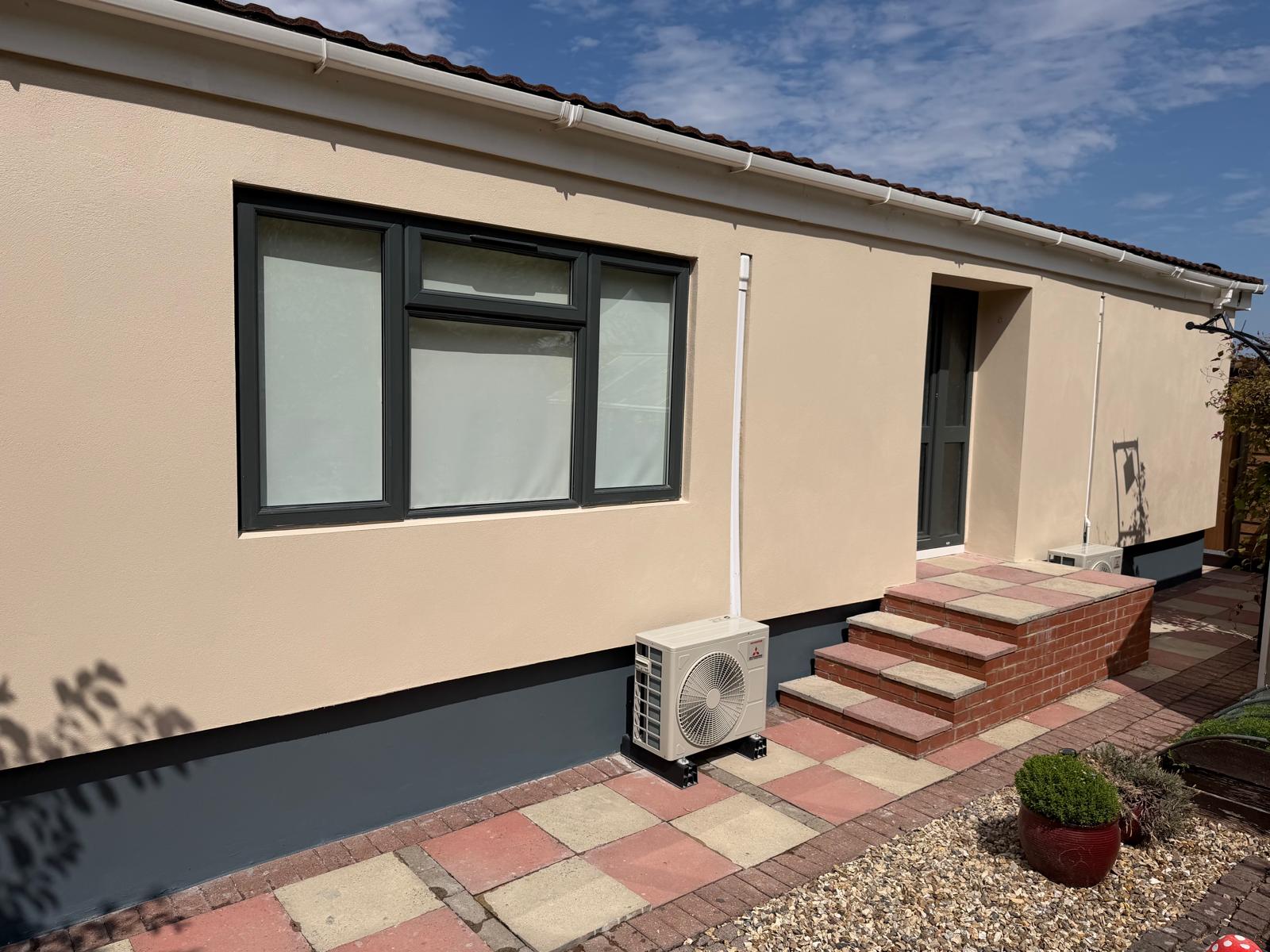
External RenderingFor Sounder, Tidier WallsIn Farnborough
Choose a finish that suits the wall beneath it, with preparation and detailing considered before application.
27 years in the trade · 1-year workmanship guarantee · Free quotations
27 years
in the building trade
15 years
running his own business
Checkatrade
member since January 2014
1-year guarantee
on workmanship
Free
inspections & quotations
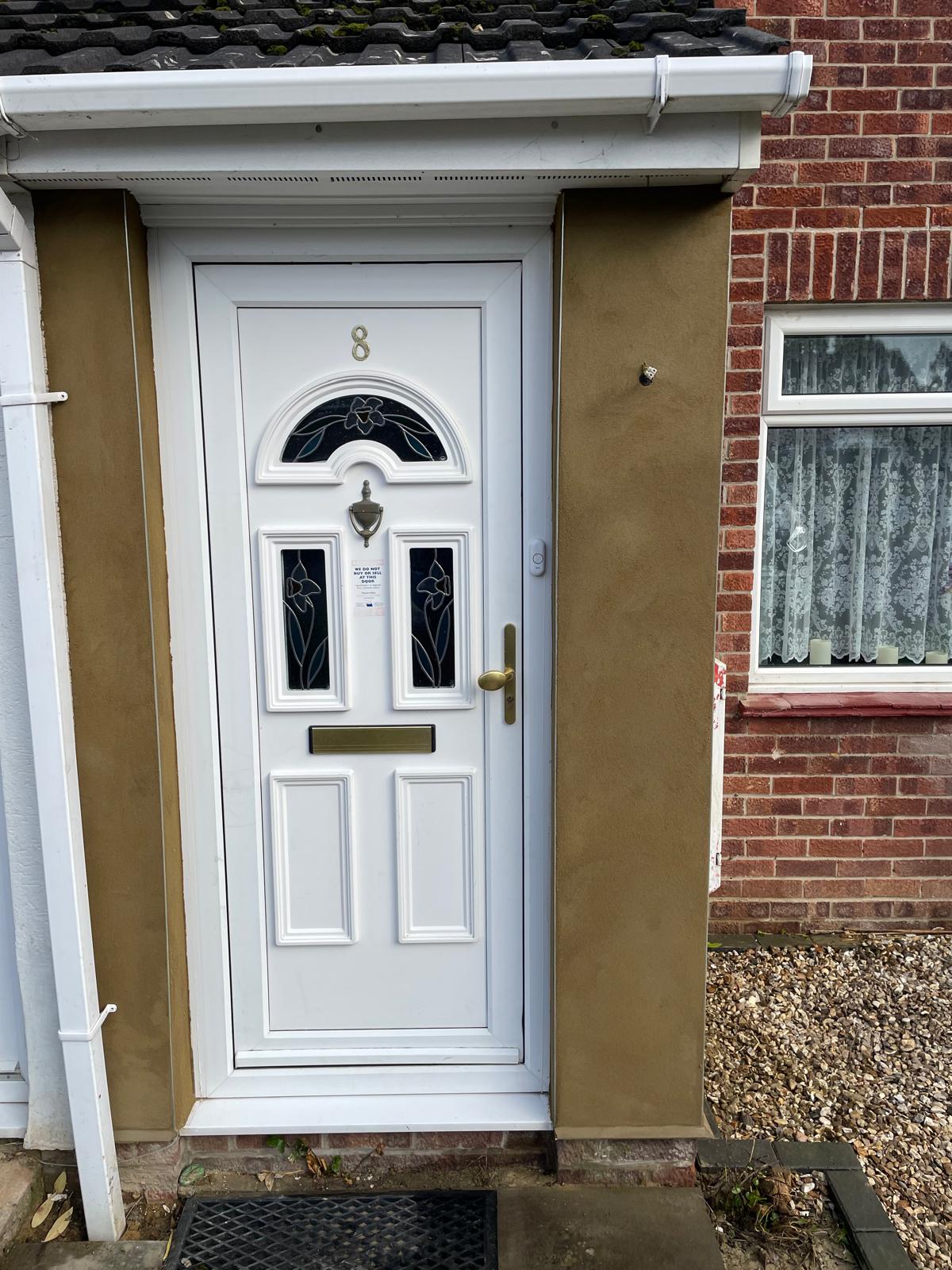
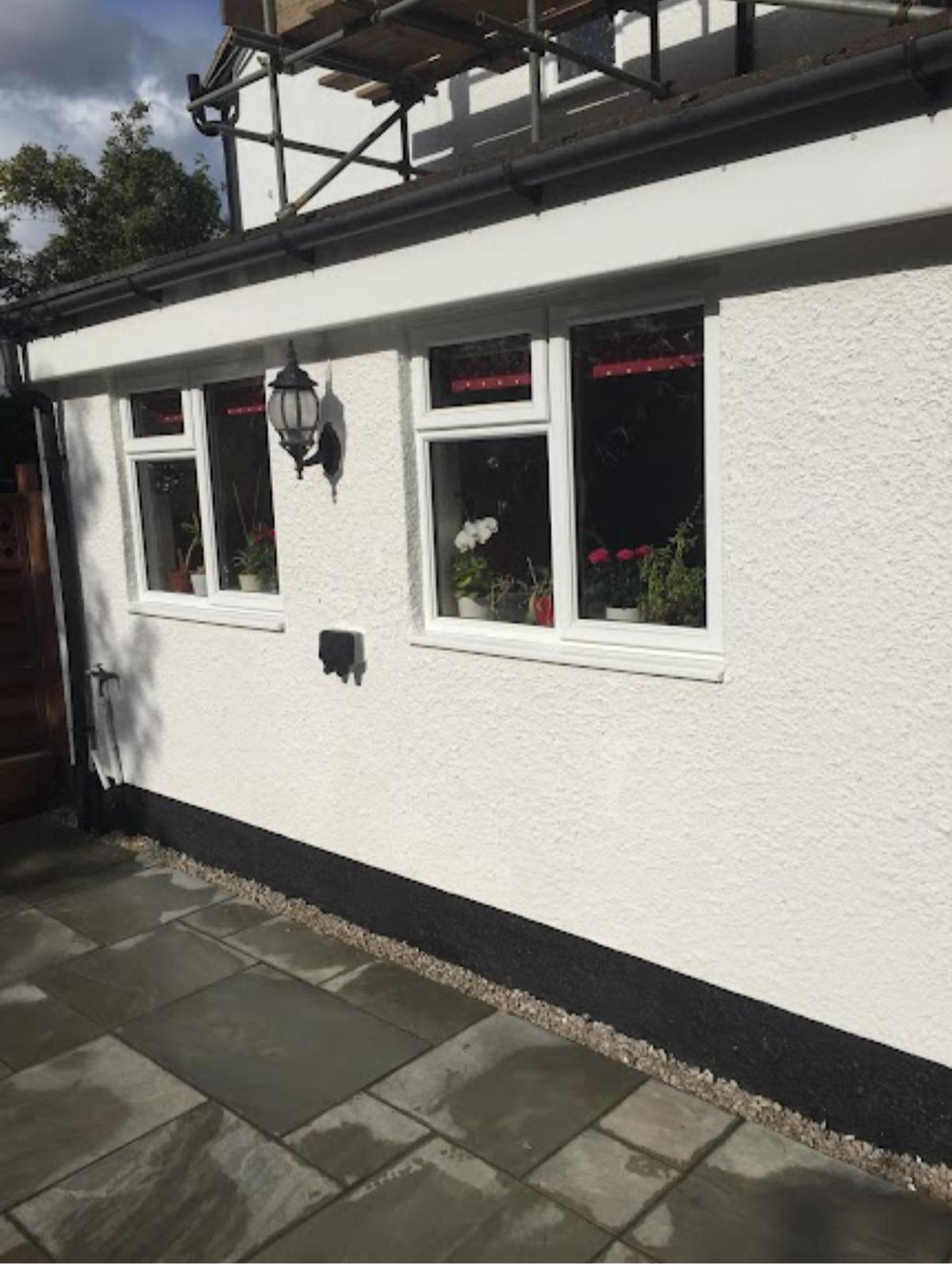
Service overview
Rendering starts with understanding the existing wall
External rendering creates a protective, decorative finish over suitable masonry. It can bring mismatched surfaces together and replace tired coatings, but the finish is only as dependable as its background. Before choosing a colour or texture, consider what the wall is made from, whether existing render remains firmly attached, and how water reaches and leaves the elevation. Covering a fault without understanding it can simply conceal the next repair.
Restoreworks Ltd offers free inspections and quotations for rendering in Farnborough and the surrounding listed service areas. The business is run by Robert, known as Robbie, Flanagan, whose experience includes 27 years in the building trade and running crews for London-based companies. He has spent 15 years running his own business, with plastering training at Gold Trowel Academy and modern rendering training with Weber Saint-Gobain.
An inspection helps establish whether local repairs, removal of failing material or a replacement system makes sense. Not every wall needs stripping, and not every older building suits a hard cement-rich coating. The quotation should make the proposed preparation, finish, access arrangements and treatment of junctions clear. Prices are provided by quotation only because the amount of preparation cannot reliably be judged from appearance alone.
Who it's for
- Homeowners replacing loose, cracked or repeatedly patched external render.
- Owners of extensions where different masonry backgrounds need a considered finish.
- Landlords planning external maintenance between tenancies or around occupants.
- Commercial property managers comparing repair and replacement options.
- Owners seeking a clearer explanation of suitable render types before deciding.
Signs you need it
- Render sounds hollow, bulges or separates from the wall.
- Cracks recur despite filling or repainting.
- Staining appears beneath leaking gutters or around openings.
- Previous alterations have left an uneven or mismatched elevation.
- A planned refurbishment makes external wall finishes worth reviewing.
Problems that should be understood before rendering
Cracking, staining and loose material do not all have the same cause. Establishing the difference helps avoid paying for a decorative change that leaves the underlying defect untouched.
Water entering through defective details
Overflowing gutters, failed seals and poorly formed sills can repeatedly wet a wall. New render is not a substitute for correcting those routes. If the water source remains, staining may return and the background can stay damp behind an apparently tidy surface. Discuss adjoining repairs before agreeing the rendering sequence.
Loose material beneath a new coating
A coating applied over weak paint, dusty masonry or detached render depends on layers that may already be failing. It can lift away with them. A hollow sound can indicate a problem, but assessing the extent and deciding what to remove requires inspection rather than assumptions based on photographs.
Movement treated as a cosmetic crack
Some cracks are limited to the finish; others follow movement in the wall or a junction between materials. Simply filling everything with the same product can lead to repeat cracking. Wider, changing or otherwise concerning cracks may need further investigation before a rendering specification can sensibly be settled.
Incompatible materials trapping moisture
An older wall may behave differently from modern cavity construction. A dense coating can restrict drying where a more vapour-open approach is needed. Choosing solely by hardness, colour or price risks a poor match. Existing materials, exposure and wall construction should influence the proposed system.
Common mistakes to avoid
Choosing the finish before checking the background
A sample shows appearance, not whether a product suits your masonry. Ask how the existing coating will be assessed and what preparation is included. Where an older wall or unusual substrate raises compatibility questions, resolve those questions before committing to a decorative texture.
Comparing quotations by the final figure alone
Two quotations may cover different removal work, access, reinforcement or edge detailing. Compare the actual scope, including protection and waste arrangements, rather than treating every rendering proposal as equivalent. An unclear allowance for preparation makes it harder to understand what you are buying.
Expecting render to cure every damp problem
Damp can have several causes, including defective rainwater goods, bridging and internal condensation. A fresh finish cannot be promised as a universal cure. Explain where moisture appears, when it becomes noticeable and any previous repairs so the inspection can consider the broader picture.
How it works
Our rendering process
- 01
1. Discuss the property and inspect
Start with the affected elevations, visible symptoms and the result you want. The free inspection considers the existing surface, openings, access and adjoining details. Point out recurring cracks, damp patches and previous repairs. These observations help distinguish a straightforward finish change from work needing more investigation.
- 02
2. Agree a suitable scope
The quotation sets out the proposed approach and cost following inspection. Discuss whether sound material can remain, what needs removing and which finish is appropriate. Clarify access responsibilities, areas excluded and any adjoining defects that need attention before work starts. Colour and texture belong within this wider specification.
- 03
3. Prepare and protect
Preparation depends on the substrate and selected system. It may involve removing unsound material, cleaning, repairing local defects and controlling suction. Windows, doors and adjacent surfaces need suitable protection. Background conditions matter: an apparently dry face does not automatically mean every underlying layer is ready.
- 04
4. Apply the specified layers
Render is applied in the sequence required by the chosen system, with appropriate reinforcement and profiles where specified. Layer thickness, drying intervals and weather conditions affect the result. Junctions, corners and openings need attention throughout, rather than being treated as finishing touches after the main wall is complete.
- 05
5. Review the finish and care requirements
At completion, review the finished areas and discuss cleaning, future checks and any restrictions during curing. Keep the quotation and guarantee information with your property records. Restoreworks provides a one-year workmanship guarantee, and payment is by bank transfer. Material ageing and later damage should not be confused with workmanship cover.
What you get
The benefits of rendering done properly
A more coherent appearance
A suitable render finish can visually connect patched masonry and extensions. Texture, colour and edge details all contribute, so viewing samples in daylight is more useful than judging a small screen image alone.
Weather protection suited to the wall
A correctly specified system helps manage exposure to wind-driven rain. Its performance still depends on sound construction and effective details above, below and around the rendered area; it does not make neglected junctions irrelevant.
Defects addressed before concealment
Preparation creates an opportunity to identify loose backgrounds and unsuitable earlier repairs. Dealing with those issues before application is more useful than hiding them under another coat and hoping they remain stable.
Clearer maintenance decisions
Knowing which system is present helps you choose compatible cleaning and repair methods later. Keep product and colour details where available, especially if future alterations could expose or interrupt the finished elevation.
A finish matched to practical needs
A busy entrance, sheltered courtyard and exposed gable face different conditions. Considering splash zones, traffic and access for cleaning helps select an appropriate finish rather than assuming one decorative treatment suits every location.
An informed repair or replacement choice
Inspection may show that only limited areas need attention, or that broader replacement is more sensible. Understanding that distinction lets you plan work around the wall's condition rather than its appearance alone.
In detail
Materials, methods and situations worth considering
Traditional and modern render materials
Sand-and-cement, lime-based, monocouche and thin-coat systems behave differently. Strength, vapour permeability, texture and maintenance requirements vary. A product that works on a modern blockwork extension is not automatically appropriate for an older solid wall. The existing construction should guide the shortlist.
Painted render normally introduces a separate decorative coating to maintain. Through-coloured and factory-coloured finishes take a different approach, but neither is immune to dirt, biological growth or accidental damage. Compare the whole system and likely care needs, not simply whether a brochure calls it coloured render.
Preparation, reinforcement and edge details
Cleaning and repair must leave a background capable of supporting the specified layers. Reinforcement can help distribute stresses within a compatible system, particularly around openings and changes of background, but it cannot stabilise structural movement or compensate for render that remains detached beneath it.
Beads, stops, drips and junctions influence both appearance and water management. Render should not obstruct necessary ventilation or casually bridge a damp-proof course. Where surfaces meet roofs, paving or frames, the detail needs enough thought to avoid creating a convenient route for moisture behind the finish.
Repairs, complete elevations and mixed backgrounds
Local repairs can be appropriate when surrounding render remains sound. However, matching an aged colour and texture exactly can be difficult, and repaired patches may remain visible. Reworking a complete elevation can offer a more consistent appearance, but should not be presented as necessary without examining the wall.
Mixed brickwork, blockwork and previous repairs can differ in suction and movement. A system may require particular preparation or reinforcement to manage that variation. Extensions and altered openings deserve attention because their junctions can reveal stresses that a continuous decorative surface would otherwise conceal.
Residential and commercial planning
At a home, practical planning includes protecting paths, keeping agreed entrances usable and considering how work affects windows and outdoor spaces. Occupied properties need clear discussion about access. Rendering is weather-sensitive work, so a sensible programme allows for conditions rather than relying on an inflexible completion promise.
Commercial work may involve public routes, deliveries, tenants and restricted working areas. Those requirements should be identified during inspection and reflected in the agreed scope. Restoreworks serves Farnborough, Aldershot, Fleet, Farnham, Camberley, Frimley, Yateley, Sandhurst, Woking, Alton, Basingstoke, Egham, Guildford, Hook, Reading and Twickenham.
Related services
Rendering near you
- Rendering Farnborough
- Rendering Aldershot
- Rendering Fleet
- Rendering Farnham
- Rendering Camberley
- Rendering Frimley
- Rendering Yateley
- Rendering Sandhurst
- Rendering Woking
- Rendering Alton
- Rendering Basingstoke
- Rendering Egham
- Rendering Guildford
- Rendering Hook
- Rendering Reading
- Rendering Twickenham
Back to the Restoreworks homepage, see all exterior services, or contact Robbie for a free quotation.
FAQs
Rendering questions, answered
How much does rendering cost?
+
Cost depends on inspection. Wall condition, the amount of removal, access, detailing and the chosen system all affect the quotation. Restoreworks offers free inspections and quotations and does not publish fixed prices or ranges. Compare what is included, especially preparation, rather than assuming an attractive surface needs only a new top coat.
How long does rendering take?
+
The programme depends on the area, preparation, access and required intervals between layers. Rain, frost, strong sun and wind can affect application or curing. Discuss the likely sequence after inspection, including any period when access is restricted. A small visible area can still require substantial preparation before application begins.
What happens during the rendering process?
+
The usual sequence is inspection, specification, preparation, application and a final review. Existing material is assessed rather than automatically covered. The chosen system determines the layers, reinforcement and finishing method. Ask for clarification where the quotation leaves uncertainty about removal, repairs, protection or adjoining details.
What guarantee does Restoreworks provide?
+
Restoreworks provides a one-year workmanship guarantee. Ask how it applies to the agreed work and keep the written details. This should not be confused with a promise that walls will never move, require cleaning or suffer damage. No product-manufacturer warranty is being offered here as a Restoreworks guarantee.
How long can external render last?
+
Well-specified render can often last for decades, but there is no dependable lifespan for every wall. Background movement, water leaks, exposure and maintenance all matter. Check vulnerable details periodically and investigate new cracks or staining promptly. Painted systems may need decorative maintenance before the underlying render requires replacement.
Do you provide emergency rendering repairs?
+
No emergency or 24-hour service is offered. Call during normal hours, Monday to Saturday, 7am to 5pm; Sunday is closed. If material appears loose, keep people away from the affected area and avoid disturbing it yourself. An appointment or start date must be agreed rather than assumed.
Can you inspect rendering at my Farnborough property?
+
Restoreworks Ltd is based at 13 Melrose Avenue, Farnborough, GU14 9UL, and offers free inspections and quotations. Explain which elevations concern you and whether access is straightforward. Photographs can help introduce the issue, but they do not replace an inspection when assessing attachment, preparation and suitability.
Should I repair the render or replace it?
+
That depends on how much remains sound and why it has failed. Isolated damage may be repairable; widespread detachment or incompatible layers may justify a broader approach. Consider visible patching as well as technical suitability. The inspection should help explain the options without assuming that complete replacement is always necessary.
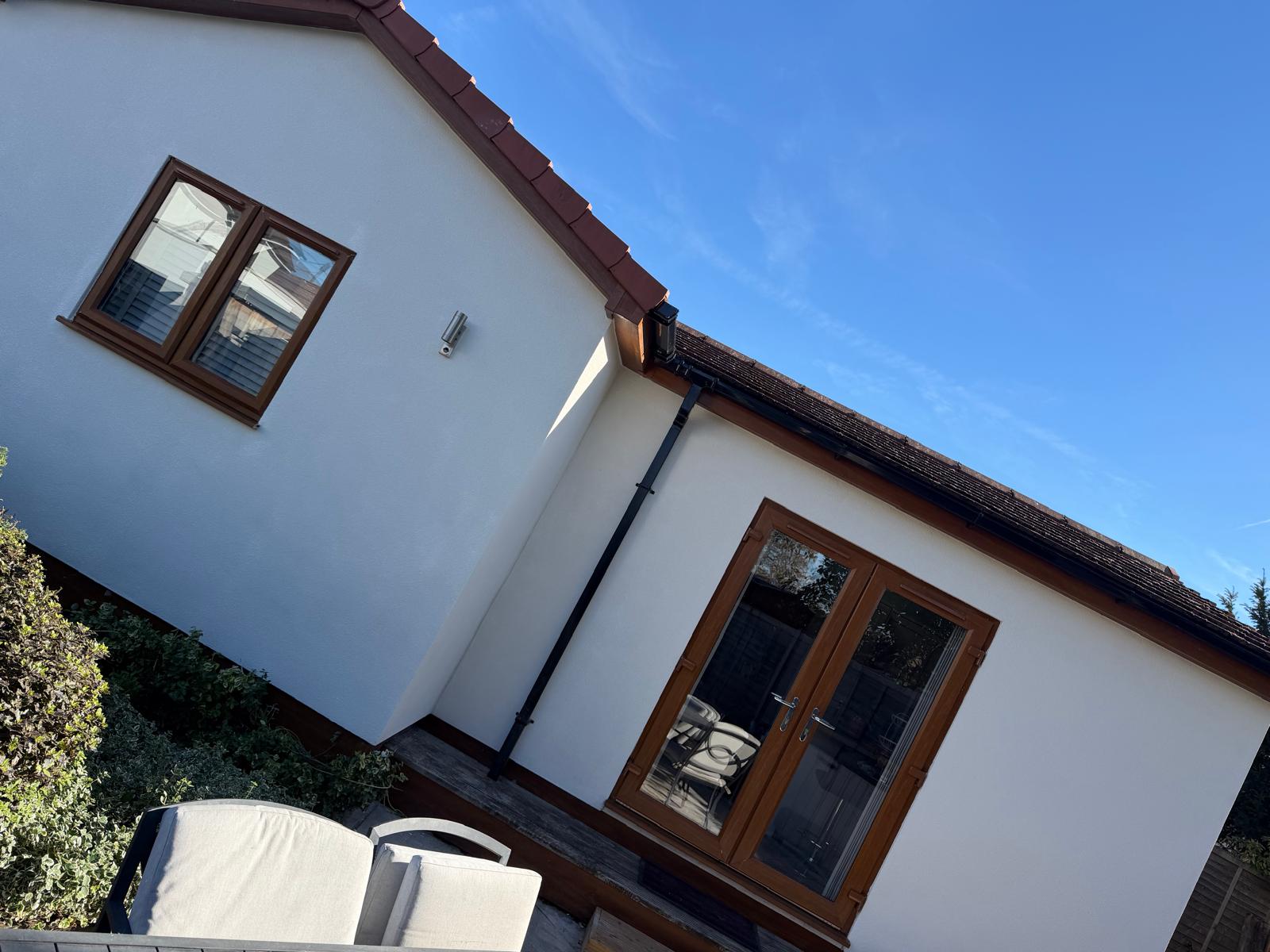
Know exactly what your property needs
Book a free inspection with Robbie. You get a clear written quotation for your rendering before anything is agreed, with no obligation to go ahead.
- Checkatrade member since January 2014
- 1-year workmanship guarantee
- Monday to Saturday, 7am–5pm