
Monocouche RenderingThrough-Coloured Wall FinishesIn Farnborough
Consider a mineral render finish with attention to the masonry, application conditions and details that control water.
27 years in the trade · 1-year workmanship guarantee · Free quotations
27 years
in the building trade
15 years
running his own business
Checkatrade
member since January 2014
1-year guarantee
on workmanship
Free
inspections & quotations
Service overview
Through-coloured rendering with preparation in mind
Monocouche is a factory-produced mineral render commonly used to create a through-coloured external finish on suitable masonry. The term refers to a one-coat approach, but it should not be read as a promise that every wall needs one simple application or one visit. Background preparation, reinforcement, application passes and finishing all depend on the chosen system and the condition of the building.
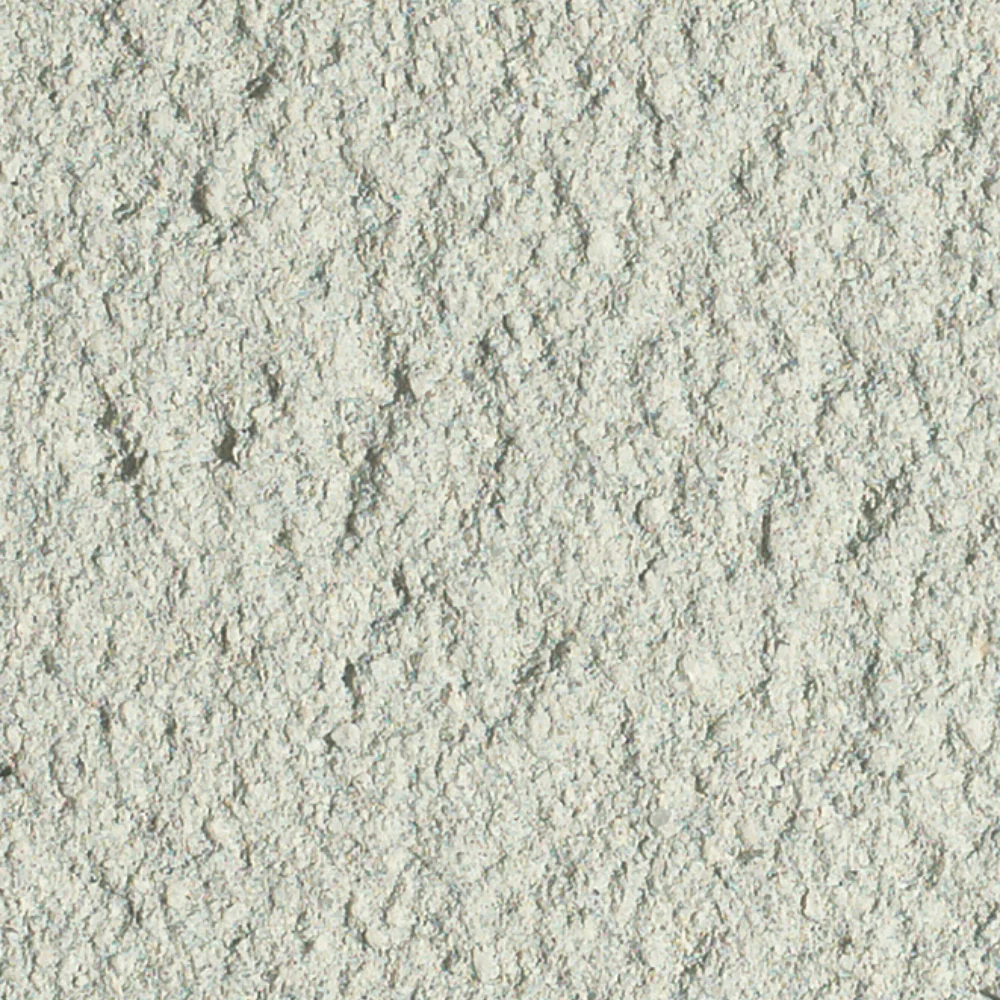
The colour runs through the render material rather than relying solely on a separate surface paint. A scraped texture is common, although finishes vary between products and specifications. This can give an elevation a coherent appearance, but through-colouring does not make cracks invisible or guarantee a perfect match for future patches. Water management, movement and workmanship remain important to the finished result.
Restoreworks Ltd offers free inspections and quotations for monocouche rendering in Farnborough and its listed service areas. The business is run by Robert, known as Robbie, Flanagan, with 27 years in the building trade and 15 years running his own business. His experience includes running crews for London-based companies, and his training includes plastering at Gold Trowel Academy and modern rendering with Weber Saint-Gobain.
Who it's for
- Homeowners considering a through-coloured finish on suitable masonry.
- Owners of extensions needing a considered external rendering specification.
- Landlords planning replacement of failed or inconsistent wall coatings.
- Commercial property managers reviewing full-elevation refurbishment.
- Owners comparing monocouche with thin-coat silicone or painted finishes.
Signs you need it
- Existing render is loose, cracked or repeatedly patched.
- A suitable new masonry elevation needs an external finish.
- A refurbishment calls for a consistent mineral texture.
- Previous alterations have left visible differences across a wall.
- You need to establish whether monocouche suits the existing background.
Issues that can undermine a monocouche finish
Through-colour and texture are useful characteristics, not substitutes for a sound wall. The most important decisions often concern the layers and details that will no longer be visible once rendering is complete.
Uneven suction across the background
Different masonry units and old repairs can absorb water at different rates. Without suitable preparation, this can affect application, curing and the final appearance. A wall assembled from several materials needs more consideration than a uniform new background, even if both appear similarly flat from a distance.
Cracks following joints and alterations
Changes in masonry, altered openings and movement joints can influence where stresses appear. A continuous finish does not remove those forces. Reinforcement and detailing must suit the system, while concerning structural cracks may need further assessment. Rendering over an unresolved movement problem can simply postpone its visible return.
Persistent staining from defective water shedding
Overflowing rainwater goods, inadequate drips and repeated splashback can leave marks on through-coloured render. The colour is part of the material, but the surface can still collect dirt and biological growth. Correcting water routes should be considered alongside the finish rather than left until staining appears.
Weak adhesion beneath an apparently tidy finish
A new render depends on the strength and suitability of the background. Dust, loose coatings or detached existing render can undermine adhesion. Applying a thicker layer is not a reliable answer to those defects. Inspection should establish what can remain and what needs preparation or removal.
Common mistakes to avoid
Taking one-coat to mean no preparation
Monocouche terminology describes a type of render approach, not permission to skip background assessment. Preparation, profiles and reinforcement may still be needed, with application carried out according to the chosen product. Ask what the complete specification involves rather than judging the job by its name.
Expecting every future patch to disappear
New material can differ from weathered render in colour and texture, even when a matching product is available. Local repairs may remain visible. If appearance is particularly important, discuss whether a repair, a defined panel or a broader elevation treatment offers the most realistic outcome.
Insisting on application regardless of weather
Rain, frost, strong wind and excessive heat can affect the work. Trying to hold an inflexible date may conflict with suitable application conditions. Discuss weather allowances and access planning in advance so that a sensible delay is not mistaken for an unnecessary interruption.
How it works
Our monocouche rendering process
- 01
1. Inspect the masonry and existing finish
The free inspection considers wall construction, surface condition, visible defects and access. Explain previous repairs and whether cracks have changed. The aim is to establish whether monocouche is suitable and what needs attention first, rather than choosing a colour before understanding the wall that must support it.
- 02
2. Agree the specification and quotation
Discuss the proposed render, preparation, finish, reinforcement and treatment of openings and edges. Cost depends on inspection, with prices supplied by quotation only. Clarify the extent of removal, access arrangements and exclusions. Any adjoining defects that could compromise the work should be identified before application is planned.
- 03
3. Prepare and establish the details
The background is prepared to suit the specified material, with unsound areas addressed and surrounding surfaces protected. Profiles and termination details help define the elevation. Suction, cleanliness and compatibility need consideration; simply wetting or priming every surface in the same way is not a universal preparation method.
- 04
4. Apply and form the chosen texture
Application follows the selected system's requirements for thickness, passes, reinforcement and conditions. Where a scraped finish is specified, timing affects the final texture. Work should be organised around the elevation so that practical stopping points and changes of plane are considered before the render begins to firm up.
- 05
5. Review and explain maintenance
Review the completed areas and discuss curing precautions, cleaning and future checks around vulnerable details. Retain the material and colour information where available. Restoreworks provides a one-year workmanship guarantee, and payment is by bank transfer. Raising a concern early helps distinguish surface soiling from damage or an underlying defect.
What you get
The benefits of monocouche rendering done properly
Colour within the render material
Through-colouring provides an alternative to a separate painted finish. It does not mean every chip or repair will be invisible, but it changes how the decorative appearance is formed and how future maintenance should be considered.
A defined mineral texture
A scraped or otherwise specified finish can give suitable elevations a consistent character. Viewing samples helps explain the texture better than colour names alone, particularly where sunlight will emphasise surface relief across a large wall.
A coordinated appearance across suitable masonry
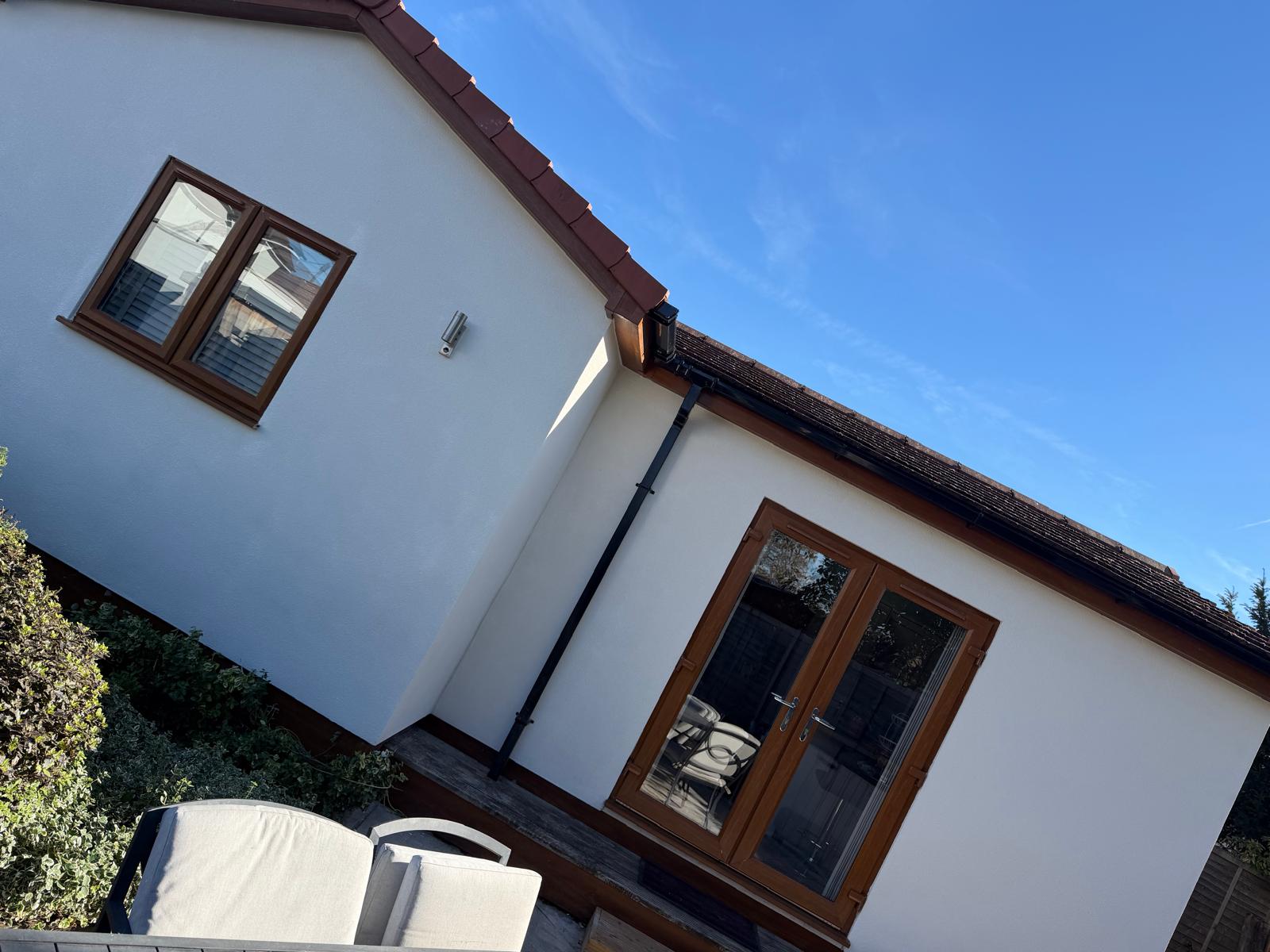
Rendering can visually connect an extension or altered elevation with the rest of a building. The supporting backgrounds still need individual consideration so that a uniform appearance does not conceal incompatible or unstable construction.
Protection against ordinary weather exposure
A suitable system contributes to external weather protection when correctly applied and detailed. Its role must be understood alongside functioning gutters, sound roof junctions and appropriate terminations rather than presented as complete waterproofing.
Preparation that informs the repair scope
Assessing the existing wall can reveal where local work is enough and where broader replacement is justified. That supports a more useful decision than assuming every crack needs a complete new elevation or only a cosmetic filler.
A clearer basis for future care
Knowing the render type and colour helps when planning cleaning, repairs or alterations. Keep those details with the quotation so future maintenance can consider compatibility rather than relying on a visual guess about the existing material.
In detail
Monocouche materials, methods and property situations
What through-coloured mineral render means
Monocouche products commonly combine mineral binders, graded aggregates, pigments and additives in a factory-produced mix. Their properties and application instructions vary. The relevant question is not whether all monocouche products are good or bad, but whether a particular specification suits the background and exposure.
A coloured mineral render differs from both a painted sand-and-cement finish and a thin-coat silicone system. Texture, layer build-up and maintenance options vary between them. An older solid wall may require a different approach from modern blockwork, so the desired appearance should not override material compatibility.
Application thickness, reinforcement and scraping
Specified thickness helps the render perform and allows the intended texture to be formed. Application may involve more than one pass even within a one-coat system. The background, reinforcement and timing all need to follow the selected specification rather than a generic rule based on the product category.
Scraping removes surface material to create a consistent textured appearance, but its timing matters. Different conditions across an elevation can affect how the render firms up. Reinforcing mesh can help distribute local stresses when correctly specified, but it does not repair a moving structure or make loose backgrounds sound.
New masonry, replacement work and local repairs
New blockwork needs assessment for suitability, condition and readiness; being new does not automatically mean it can be rendered immediately. Replacement work adds questions about old coatings, removal and hidden defects. Those differences explain why apparently similar wall areas can require different preparation and programmes.
Local repairs may be technically appropriate where the surrounding material is sound, yet a visible patch can remain. Colour batch, age, cleaning history and weathering all influence the match. Agree realistic expectations about appearance before choosing a limited repair, especially on a prominent front elevation.
Residential details and commercial coordination
At homes, consider entrances, side access, garden surfaces and the position of pipes and sills. Render should terminate appropriately near ground level without blocking ventilation or casually bridging a damp-proof course. Changes to external levels are a separate issue; Restoreworks does not offer groundworks.
Commercial projects can involve customer access, deliveries and several occupied areas. The quotation should reflect the agreed working scope and practical restrictions. Restoreworks serves Farnborough, Aldershot, Fleet, Farnham, Camberley, Frimley, Yateley, Sandhurst, Woking, Alton, Basingstoke, Egham, Guildford, Hook, Reading and Twickenham.
Related services
Monocouche Rendering near you
- Monocouche Rendering Farnborough
- Monocouche Rendering Aldershot
- Monocouche Rendering Fleet
- Monocouche Rendering Farnham
- Monocouche Rendering Camberley
- Monocouche Rendering Frimley
- Monocouche Rendering Yateley
- Monocouche Rendering Sandhurst
- Monocouche Rendering Woking
- Monocouche Rendering Alton
- Monocouche Rendering Basingstoke
- Monocouche Rendering Egham
- Monocouche Rendering Guildford
- Monocouche Rendering Hook
- Monocouche Rendering Reading
- Monocouche Rendering Twickenham
Back to the Restoreworks homepage, see all exterior services, or contact Robbie for a free quotation.
FAQs
Monocouche Rendering questions, answered
How much does monocouche rendering cost?
+
Cost depends on inspection. Preparation, existing coatings, access, wall details and the chosen specification affect the quotation. Restoreworks offers free inspections and quotations and provides prices on quotation only. Compare the included work carefully, particularly removal, reinforcement and treatment around openings, rather than assuming all monocouche proposals cover the same scope.
How long will the work take?
+
The programme depends on the wall area, preparation, access and suitable weather. One-coat terminology does not mean the complete job takes one day. Inspection, removal where needed, detailing, application and curing all influence the sequence. Discuss the likely programme after the wall and proposed system have been assessed.
What is the monocouche rendering process?
+
Work generally moves from inspection and specification to background preparation, profiles and reinforcement where required, then application and finishing. A scraped texture is formed at the appropriate stage for the selected product and conditions. The complete process should be explained in the quotation rather than reduced to applying coloured material.
Does Restoreworks guarantee monocouche rendering?
+
Restoreworks provides a one-year workmanship guarantee. Ask for the terms relevant to your agreed work and keep them with the quotation. This is not a promise against every later crack, stain or accidental impact, and it should not be confused with a product-manufacturer warranty or manufacturer accreditation.
How long can monocouche render last?
+
Properly specified and maintained mineral render can often last for decades, but its service life varies considerably. Background movement, water ingress, exposure and detailing all matter. Surface cleaning or local maintenance may be needed earlier. A general material lifespan is not a guarantee for a particular wall or property.
Do you offer emergency monocouche repairs?
+
No emergency or 24-hour service is offered. Call during normal hours, Monday to Saturday, 7am to 5pm; Sunday is closed. If render looks loose, keep people away from the affected area and do not attempt to pull it down. Inspection availability and any subsequent work date must be agreed.
Can you quote for monocouche rendering in Farnborough?
+
Yes. Restoreworks Ltd offers free inspections and quotations and is based at 13 Melrose Avenue, Farnborough, GU14 9UL. Explain which walls need attention, their existing finish and any access restrictions. An inspection is needed before confirming suitability and cost; a photograph alone cannot establish the full condition of the background.
Is monocouche better than silicone rendering?
+
Neither is automatically better. Monocouche generally provides a coloured mineral render finish, while silicone rendering commonly uses a thin decorative coat over supporting layers. The right choice depends on the wall, texture preference, exposure and maintenance expectations. Compare complete specifications and suitable samples rather than relying on a product category alone.
Know exactly what your property needs
Book a free inspection with Robbie. You get a clear written quotation for your monocouche rendering before anything is agreed, with no obligation to go ahead.
- Checkatrade member since January 2014
- 1-year workmanship guarantee
- Monday to Saturday, 7am–5pm