
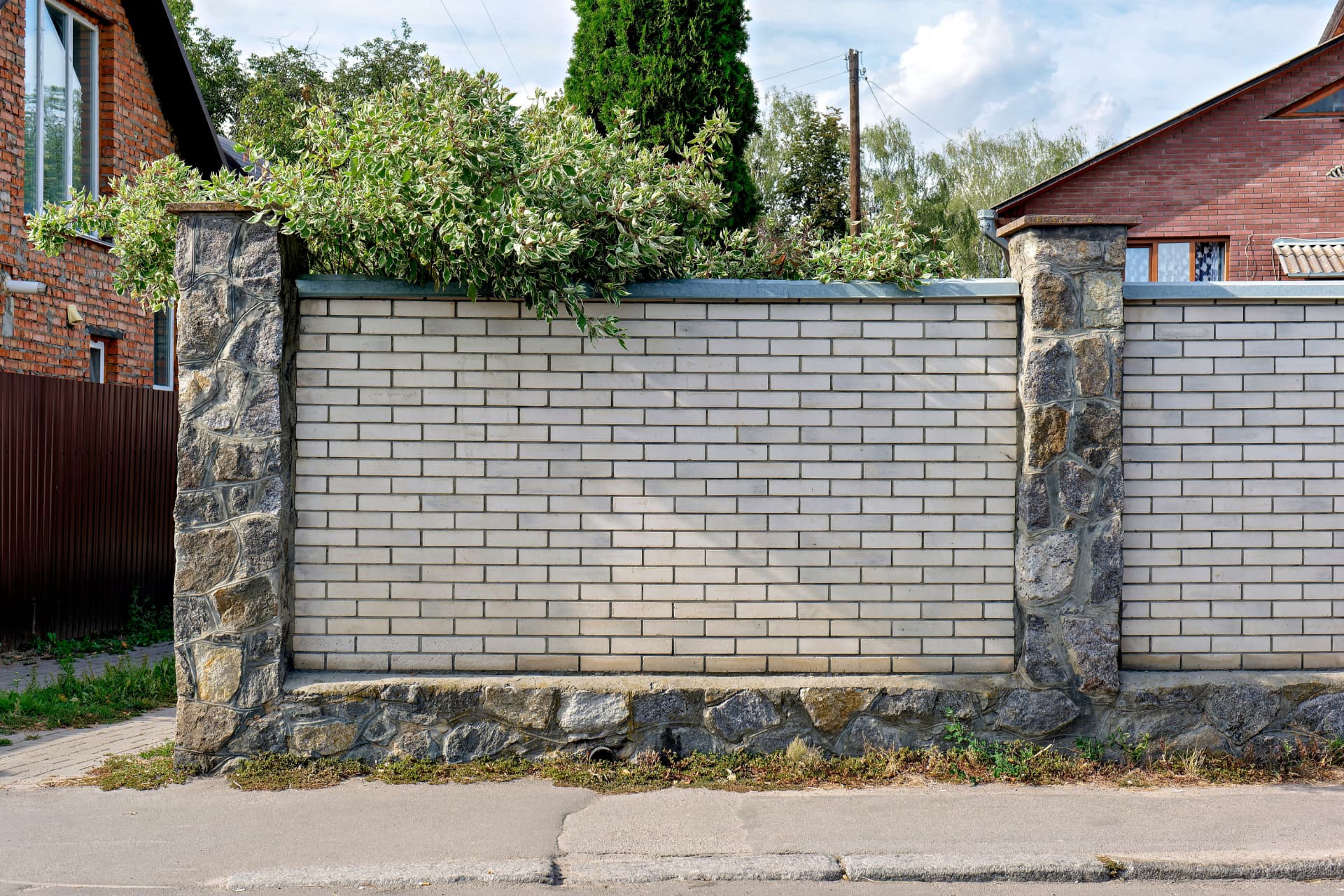
Fencingin FarnboroughA boundary that suits the site
Choose fencing around privacy, exposure and everyday use, with the work and any groundworks limitations discussed before you commit.
27 years in the trade · 1-year workmanship guarantee · Free quotations
27 years
in the building trade
15 years
running his own business
Checkatrade
member since January 2014
1-year guarantee
on workmanship
Free
inspections & quotations
Service overview
Start with the boundary, not just the panel
A fence needs to suit the place where it stands. A sheltered garden divider presents different demands from a long boundary exposed to wind, and a private rear garden may need a different balance of screening and openness from a front boundary. The condition of existing posts, the available space and changes in ground level all influence what is practical.
Restoreworks Ltd offers fencing in Farnborough, with free inspections and quotations. The inspection is an opportunity to discuss whether damaged sections can be replaced sensibly or whether the wider fence needs attention. Panel appearance matters, but the supporting arrangement, maintenance expectations and boundary position should be considered before a style is chosen.
Restoreworks is run by Robert, known as Robbie, Flanagan. His experience includes 27 years in the building trade, including running crews for London-based companies, and 15 years running his own business. The company has been a Checkatrade member since January 2014 and is based at 13 Melrose Avenue, Farnborough, GU14 9UL.
Any groundworks are outside scope and must be discussed at inspection; do not assume that excavation, post-hole digging, post foundations, levelling or removal of buried obstructions is included. Fencing costs depend on inspection and are given by quotation only. Restoreworks provides a one-year workmanship guarantee, accepts payment by bank transfer, and opens Monday to Saturday, 7am to 5pm, with Sunday closed.
Who it's for
- Homeowners replacing damaged fencing or improving garden privacy.
- Landlords assessing loose panels and the condition of an existing boundary.
- Households comparing solid screening with more open fence arrangements.
- Commercial property contacts discussing practical boundary separation.
Signs you need it
- Panels have split, shifted or become loose within their supports.
- Posts lean or move, suggesting that panel replacement alone may be insufficient.
- Existing fencing no longer provides the privacy or separation you need.
- Wind damage has exposed weaknesses across several connected sections.
Why fencing problems need a wider look
A fence works as a connected line of panels, supports and fixings. Before replacing the most obvious damaged part, consider what caused the failure and whether the surrounding sections remain serviceable.
Movement spreading between sections
A loose support can allow adjacent panels to move and strain their fixings. Replacing a broken panel without understanding that movement may leave the new section exposed to the same problem. The condition of the supporting arrangement is therefore central to deciding whether a local replacement is worthwhile.
Unnecessary exposure to wind
A solid fence can catch substantial wind, especially along an open boundary or where gusts are funnelled between buildings. Choosing a taller or less permeable design changes the demands on the structure. Panel strength alone does not establish whether the complete arrangement is appropriate for the location.
Loss of useful privacy
Gaps, missing panels and poorly considered height changes can leave seating areas or windows more exposed than expected. However, maximum screening is not always the best answer if it blocks valued light or creates a harsh enclosure. The relevant views should be considered from both sides of the proposed fence.
Boundary and access disagreements
An unclear fence line or an assumption about ownership can create avoidable disputes. A contractor's inspection does not determine the legal boundary. Establish responsibility and relevant permissions before work is agreed, particularly where replacing the fence affects a shared route, neighbouring planting or access needed to reach the work.
Common mistakes to avoid
Choosing on appearance alone
A panel that looks suitable in a photograph may not suit an exposed garden or an uneven boundary. Consider wind, light, privacy and maintenance together. Also check how the chosen arrangement would meet existing walls, corners and different heights rather than judging only a single flat section.
Reusing supports without checking them
Existing posts may look acceptable above ground while showing movement or deterioration elsewhere. New panels do not make weak supports sound. Their condition and dimensions must be considered before assuming reuse is sensible, and any required groundworks remain outside Restoreworks' scope.
Leaving the groundworks question until work starts
Buried material, services, roots and changing levels can affect a fencing proposal. Groundworks are outside scope, including any excavation or post foundations that may be needed. Discuss those limitations during inspection so the fencing quotation does not rely on an assumed ground preparation service.
How it works
Our fencing process
- 01
Explain the purpose of the fence
Describe whether the priority is replacing damage, improving privacy, separating spaces or changing the appearance of a boundary. Mention approximate extent, access restrictions and any known ownership questions. Photographs can help explain the site, but they do not replace an inspection of the existing arrangement.
- 02
Inspect the existing boundary
The free inspection considers the visible fence condition, supports, exposure, changes in level and practical access. It is also the point to identify where the proposal depends on work outside scope. The inspection does not establish legal ownership or confirm the location of concealed underground services.
- 03
Agree materials and scope
Discuss panel style, support compatibility, privacy and maintenance before a quotation is finalised. Any groundworks, digging or post foundations are outside scope and need explicit discussion. Clarify which existing sections are being retained and what interfaces or preparation must be resolved before the fencing can proceed.
- 04
Carry out the agreed fencing work
The work follows the agreed specification and the site conditions established beforehand. Fixing details and connections should suit the selected components rather than relying on improvised combinations. If an unexpected condition changes what is practical, its effect on the scope needs discussion rather than an assumption of additional work.
- 05
Review the finished arrangement
Check the agreed fence line, panel seating and accessible fixings, and discuss ongoing care. Timber naturally changes with weather and moisture, so maintenance expectations should be realistic. Keep planting and stored objects from placing avoidable pressure on the fence, and check for movement after severe weather from a safe position.
What you get
The benefits of fencing done properly
Privacy planned around actual views
Considering windows, seating areas and neighbouring levels helps identify where screening is useful. This avoids assuming the same treatment is needed everywhere. A well-considered layout can balance privacy with daylight, rather than simply increasing the height or solidity of the whole boundary.
Materials suited to exposure
The choice between solid and more open arrangements affects how a fence responds to wind. Discussing exposure at inspection helps put style decisions in context. No fence should be treated as storm-proof, but an appropriate specification is a better starting point than appearance alone.
A realistic repair decision
Sometimes a damaged section can be replaced while sound neighbouring parts remain. Elsewhere, widespread deterioration makes piecemeal work less useful. Assessing the fence as a system helps you understand which situation applies before committing to panels that may not suit the remaining supports.
Clear boundaries around the work
An explicit scope separates fencing from groundworks, boundary disputes and unrelated landscaping. That clarity matters where a proposal depends on new support positions or changes in level. It allows those dependencies to be discussed before the quotation is treated as a complete site transformation.
Maintenance you can plan for
Different timber finishes and fence arrangements require different care. Understanding access to both faces, the effect of nearby vegetation and the need for occasional checks helps you choose a practical option. A low-maintenance preference should still include checking supports and fixings over time.
Better use of garden space
A considered fence arrangement can define a seating area, screen an overlooked edge or separate everyday activities. The aim is useful enclosure rather than unnecessary bulk. Existing planting, pathways and the way people move through the space should inform the specification.
In detail
Fencing materials, arrangements and site considerations
Timber panels and different levels of screening
Closeboard-style fencing uses overlapping vertical boards to create a relatively solid screen, while framed panels offer other patterns and construction methods. More open arrangements allow greater visibility and airflow. The right choice depends on the intended use, not simply whether one style appears more substantial than another.
Timber is a natural material and can shrink, swell, split or change colour as moisture and exposure vary. These changes do not all indicate defective workmanship. Discuss the selected product's care requirements and whether future treatment can be reached safely, especially where the fence will stand close to planting or another structure.
Posts, gravel boards and existing supports
Panels depend on supports that are suitable for their size and the site's exposure. Timber and concrete arrangements have different appearances and connection details, and existing components may restrict the available choices. Gravel boards can separate timber panels from direct ground contact, but they do not turn ordinary fencing into a retaining structure.
Where supports need changing, any excavation, post-hole work or foundations remain outside scope and must be discussed at inspection. Do not assume that a panel replacement quotation includes creating new support positions. A workable proposal needs to identify those dependencies rather than hiding them within a general description of fencing.
Slopes, planting and exposed boundaries
Sloping sites may require stepped sections or another layout suited to changing levels. Either approach affects the appearance and the gaps beneath the fence. Discuss pets, privacy and maintenance access when comparing options, without assuming that an ordinary garden fence provides specialist animal containment or security performance.
Trees and dense planting can restrict access and keep timber damp, while exposed edges face different wind loads from sheltered courtyards. A fence should not be used to restrain soil or support heavy climbing growth without an appropriate design. Ground alterations and retaining work are outside scope and need separate consideration.
Domestic gardens and commercial boundaries
Residential fencing often centres on privacy, appearance and the relationship with neighbouring gardens. Confirm the intended line and responsibility before commissioning work. If height, location or other circumstances raise planning questions, check the relevant requirements rather than assuming all garden fencing can be installed without permission.
Commercial sites may prioritise separation, visibility, working access or the appearance of customer-facing areas. Those needs should be described clearly at inspection. Ordinary fencing should not be presented as a certified security barrier, and any operational restrictions or permission requirements need to form part of the discussion before the scope is agreed.
Related services
Fencing near you
- Fencing Farnborough
- Fencing Aldershot
- Fencing Fleet
- Fencing Farnham
- Fencing Camberley
- Fencing Frimley
- Fencing Yateley
- Fencing Sandhurst
- Fencing Woking
- Fencing Alton
- Fencing Basingstoke
- Fencing Egham
- Fencing Guildford
- Fencing Hook
- Fencing Reading
- Fencing Twickenham
Back to the Restoreworks homepage, see all exterior services, or contact Robbie for a free quotation.
FAQs
Fencing questions, answered
How much does fencing cost?
+
Cost depends on inspection, including the length, chosen materials, existing supports, access and site constraints. Restoreworks provides free inspections and quotations, with prices on quotation only. Groundworks are outside scope, so any dependence on excavation, post foundations or other preparation must be discussed rather than assumed within the price.
How long does fencing work take?
+
The programme depends on the agreed extent, materials, access and the condition of retained components. Weather and unresolved preparation can also affect scheduling. Discuss likely timing after inspection; a short boundary is not automatically straightforward if its supports or access present difficulties.
What is the process for arranging new fencing?
+
Explain what you want the fence to achieve and arrange a free inspection. The existing boundary, exposure, access and material options can then be considered. Agree the specification and quotation before work, with any groundworks excluded and discussed explicitly. Confirm ownership and relevant permissions yourself before authorising a boundary change.
Does fencing come with a guarantee?
+
Restoreworks provides a one-year workmanship guarantee. Ask how that applies to the agreed fencing scope and any retained components. Timber weathering and the condition of existing supports need to be distinguished from installation workmanship; the quotation should make the extent of the new work clear.
How long can timber fencing last?
+
Serviceable timber fencing can last many years, but there is no dependable lifespan for every site. Timber specification, moisture, ground contact, wind exposure and maintenance all matter. Posts and panels may deteriorate at different rates, so assess individual components rather than replacing everything solely because of age.
Can you provide emergency fencing after storm damage?
+
Restoreworks does not offer an emergency or 24-hour service. Call Monday to Saturday between 7am and 5pm to discuss availability; Sunday is closed. Keep people away from unstable sections and do not try to hold or dismantle a moving fence during strong winds.
Do you inspect fencing in Farnborough and nearby areas?
+
Yes. Restoreworks is based at 13 Melrose Avenue, Farnborough, GU14 9UL. Areas include Aldershot, Fleet, Farnham, Camberley, Frimley, Yateley and Sandhurst. Free inspections and quotations are available. Mention the boundary's access and condition when enquiring, particularly if neighbouring land would be needed to reach it.
Are digging and other groundworks included?
+
No. Groundworks are outside scope and must be discussed at inspection. Do not assume excavation, post-hole digging, post foundations, levelling, buried obstruction removal or retaining work is included. If the fencing proposal depends on any of these, that dependency needs to be resolved before the fencing scope is agreed.
Know exactly what your property needs
Book a free inspection with Robbie. You get a clear written quotation for your fencing before anything is agreed, with no obligation to go ahead.
- Checkatrade member since January 2014
- 1-year workmanship guarantee
- Monday to Saturday, 7am–5pm